
By TLC Carpet & Air Duct Cleaning, Northern Colorado Carpet and Air Duct Cleaning Specialists Since 1992
TLC Carpet & Air Duct Cleaning has helped Northern Colorado families keep their homes clean, fresh, and comfortable since 1992. Our certified & trained cleaning crew provides professional air duct and carpet cleaning for residential and commercial customers across Fort Collins and the Front Range. We don’t cut corners. We clean them!
Key Takeaways
- Dirty air ducts can recirculate dust, pet dander, pollen, and other indoor allergens that make allergy and asthma symptoms worse at home.
- Air duct cleaning for allergies helps most in homes with visible dust in ducts, dusty vents, strong musty odors, or long gaps since the last cleaning.
- Fort Collins allergy season, dry air, and pets all feed dust and allergens into ducts, carpets, and filters, so cleaner ducts are just one part of the solution.
- The biggest improvements come when duct cleaning is combined with better filters, carpet and upholstery cleaning, and simple indoor air quality habits.
- Honest expectations matter: air duct cleaning alone will not cure allergies, but it can reduce triggers and help families breathe a little easier at home.
How Cleaner Air Ducts Actually Affect Allergies in Fort Collins Homes
If you live in Fort Collins, you probably know the feeling: spring or fall hits, the wind picks up, and suddenly allergy season is in full swing. Pollen, dust, wildfire smoke, and pet dander all seem to team up, and sometimes it feels like your indoor air quality is worse than outside. Many families start to wonder whether dust and pet dander in ducts are part of the problem—and whether air duct cleaning for allergies will really help.
This guide breaks down, in plain language, how your HVAC system moves indoor allergens around, when dirty air ducts can make allergy and asthma symptoms worse, and when cleaner ducts actually make a noticeable difference. We will also be very honest about the situations where duct cleaning is not the main fix, and what else you can do to reduce allergy symptoms at home.
Why Indoor Allergies Hit So Hard in Fort Collins Homes
Fort Collins is a great place to live, but it is not always easy on allergies. The combination of dry air, dust, long heating seasons, and a very active Fort Collins allergy season means indoor air quality can struggle even in well-kept homes. In spring and early summer, tree and grass pollen can be relentless. In late summer and fall, weeds, wildfire smoke, and dust often add to the mix. All of that comes through the doors and windows with you, your kids, and your pets.
Once pollen and dust get inside, they do not just disappear. They land on carpets, upholstery, and hard surfaces. Pet dander joins the party even in homes with frequent vacuuming. Over time, all of those particles can get pulled back through returns and supply vents and end up inside your ductwork. The U.S. EPA notes that common indoor pollutants include dust, pet dander, mold spores, and other biological particles that can affect people with allergies and asthma (EPA – Indoor Air Quality).
For many Fort Collins families, symptoms like sneezing, congestion, itchy eyes, and even asthma flare-ups feel worse at home, especially when the HVAC system turns on. That experience is frustrating, but it makes sense once you understand what your air ducts are really doing all day.
What Your Air Ducts Are Really Doing All Day (for Allergens)
In a typical Fort Collins home, a forced‑air system pulls air from rooms through return vents, runs it through a filter and furnace or air conditioner, and then blows it back into the living spaces through supply ducts and vents. This constant loop is great for comfort—but it also means air ducts can become highways for indoor allergens if they are full of dust and debris.
When your HVAC blower turns on, it moves a lot of air through the ductwork quickly. If the inside of those ducts is coated with dust, pet hair, and other particles, some of that buildup can be disturbed and pushed into the air stream. If your filter is low quality, overloaded, or not changed regularly, more of that dust and pet dander can slip by and end up back in your living spaces. Over the years, this cycle can leave a noticeable layer of dust and debris coating the inside of ducts, especially in flexible duct sections and turns.
None of this means every little bit of dust automatically makes your allergies flare up. But when you combine long heating seasons, ongoing Fort Collins allergy season pollen, pets, and dry indoor air that lets particles stay airborne longer, it becomes easier to see why indoor air quality for asthma and allergy sufferers is such a common concern here.
How Dirty Air Ducts Can Make Allergy Symptoms Worse
Dirty air ducts do not create pollen or pet dander out of thin air, but they can store and recirculate what is already in your home. The more dust and pet dander in ducts, the more likely it is that your system will blow at least some of those particles back into the rooms you live in.
Families often notice patterns like these:
When the heat or AC starts, you smell a dusty or musty odor for a few minutes.
You see light “puffs” of dust from vents after the system has been off for a while.
Certain rooms always seem dustier or more irritating than others.
Organizations like the American Academy of Allergy, Asthma & Immunology explain that indoor allergens such as dust mites, pet dander, and mold can trigger symptoms in sensitive people, especially in enclosed spaces where air keeps recirculating (AAAAI). When those allergens are sitting inside ducts and get stirred up with every cycle, it can be one more layer of exposure on top of everything else in the house.
That is why air duct cleaning for allergies can help some Fort Collins families: by removing a heavy layer of dust and allergen buildup from ducts, you reduce one source of particles that can blow into the air every time the system runs. The key is to know when your ducts are likely part of the allergy problem and when they are not the main culprit.
When Cleaner Air Ducts Actually Help Allergies – And When They Don’t
This is where honest expectations really matter. Cleaner air ducts can reduce allergy triggers in some homes, but they are not a magic “cure” for allergies or asthma.
Duct cleaning tends to help allergy symptoms more when:
You see visible dust and debris in vents and ductwork, especially if it looks thick or matted.
Your home has multiple pets, lots of shedding, and heavily used carpets and furniture.
It has been many years—if ever—since the ducts were cleaned or inspected.
You have done remodeling or drywall work, and fine dust has had a chance to settle in the ducts.
In these situations, removing that buildup can reduce how much dust and pet dander is stirred up and recirculated. Many homeowners notice less dust settling on surfaces and slightly fewer allergy flare-ups when the HVAC starts. Combined with better filters and regular cleaning, air duct cleaning for allergies can support better indoor air quality.
On the other hand, duct cleaning alone won’t solve allergy problems when:
Filters are rarely changed, or the filter used has a very low efficiency rating.
Carpets, rugs, and upholstery are full of dust and pet dander that never get deep‑cleaned.
Windows stay open during high‑pollen days, bringing fresh pollen inside constantly.
There are moisture or mold problems in other parts of the house that are not addressed.
Medical organizations like the ACAAI and CDC emphasize that reducing indoor allergens usually involves multiple steps: good cleaning habits, controlling moisture, using better filtration, and limiting exposure to triggers. Cleaner air ducts help most when they are part of that bigger indoor air quality plan.
Simple Checklist: Is It Time for Air Duct Cleaning for Allergies?
Because every home is different, a simple checklist can help you decide whether it might be time to look inside your ducts.
Use this quick checklist:
- It has been five years or more since your air ducts were inspected or cleaned, or you genuinely do not know if they ever have been.
- You see visible dust or debris coating vent covers, returns, or just inside duct openings when you remove a register.
- Family members’ allergies or asthma feel worse at home, especially when the heat or AC cycles on.
- Your house always seems dusty even after cleaning, and dust settles quickly back on surfaces.
- You have pets that shed, and you can see pet hair around vents and returns.
- You notice dust or a musty smell blowing out briefly when the system starts.
- You have done recent renovations with drywall or sawdust, especially if vents were not sealed during the work.
If you are mentally checking several of these boxes, your ducts may be part of your allergy problem. Cleaner ducts will not erase Fort Collins allergy season or remove every allergen from the air, but they can reduce the load of dust and pet dander in ducts and help reduce allergy symptoms at home when paired with other smart steps.
What a Professional Allergy-Focused Duct Cleaning Looks Like in a Fort Collins Home
Understanding what actually happens during a professional cleaning can make the decision easier. An allergy‑focused duct cleaning visit is not just a quick vacuum at the vents. It is a step‑by‑step process aimed at removing built‑up dust and allergens from the parts of the system you cannot see.
A typical visit includes:
A walkthrough and visual inspection of vents, returns, and accessible ductwork.
Protecting floors and furnishings around work areas.
Hooking up negative‑pressure equipment to draw dust and debris out of ducts.
Using tools inside the ductwork to dislodge dust, pet hair, and other buildup.
Servicing both supply and return lines as much as the system allows.
Throughout the process, the goal is to get dust and pet dander in the ducts moving toward the collection equipment rather than just pushing it from one branch to another. When done by a certified & trained crew using proper equipment, the result is a duct system with far less loose buildup ready to blow out into your rooms.
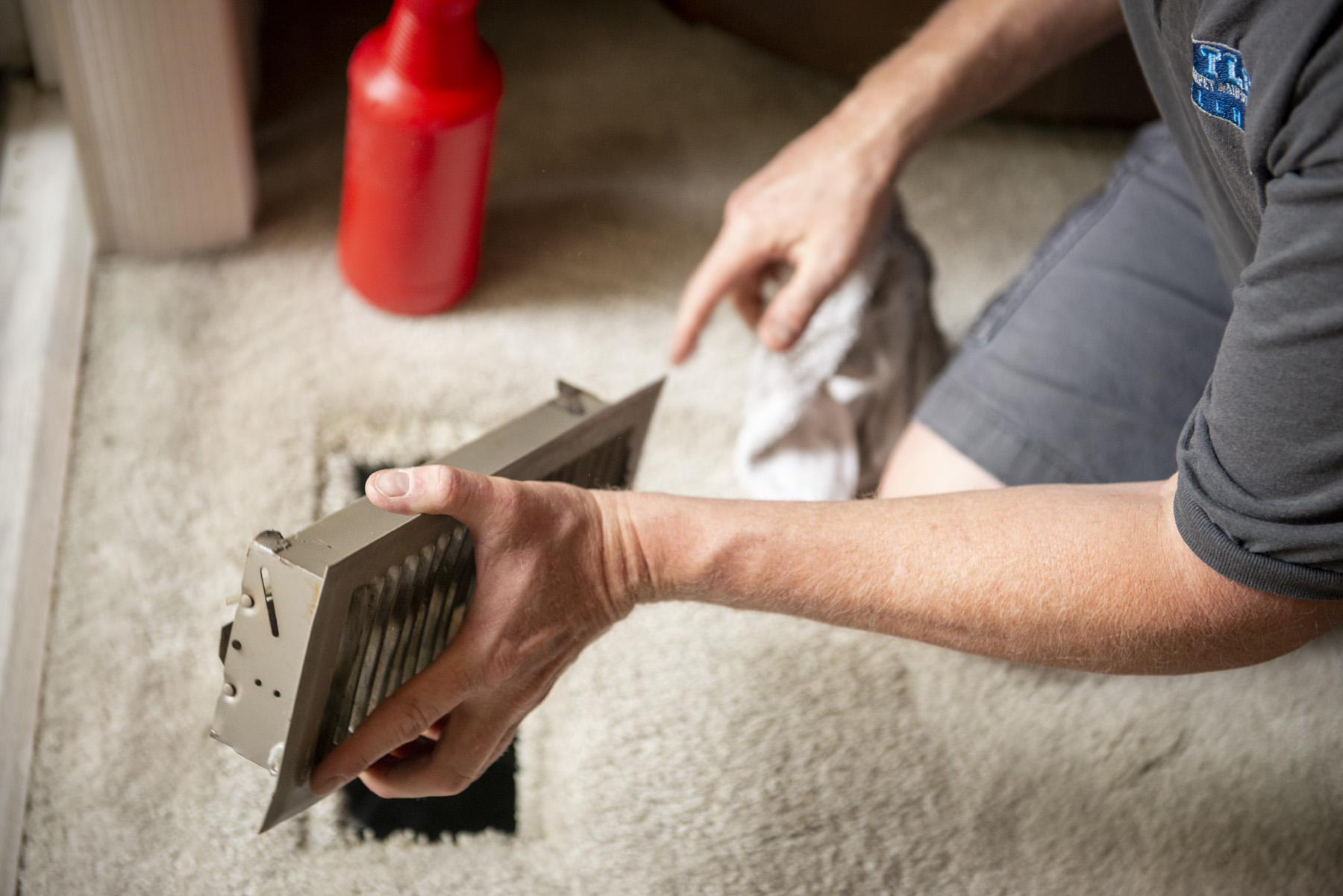
[RECOMMENDED IMAGE: TLC Technician Cleaning Supply Vent in a Pet-Friendly Fort Collins Living Room]
Caption: “A certified & trained TLC technician carefully cleaning a supply vent and surrounding ductwork in a Fort Collins home, targeting dust and pet dander that can aggravate allergies.”
Afterwards, many homeowners notice that vents and returns look cleaner, the air smells fresher when the system runs, and dust on surfaces builds up a bit more slowly. For families dealing with allergies and asthma, that can be a meaningful change—even if it is not a complete fix on its own.
What Else You Should Do to Reduce Allergy Symptoms at Home
Because allergies and asthma are complex, controlling indoor allergens usually takes more than one step. Organizations like the EPA and HUD’s Healthy Homes program stress that reducing dust, pet dander, pollen, and mold in the home often involves consistent cleaning and moisture control, along with good ventilation and filtration.
Some practical moves that work well alongside cleaner ducts include:
Using higher‑quality HVAC filters with better particle capture, as long as your system is designed to handle them, and changing them regularly during Fort Collins allergy season.
Vacuuming carpets, rugs, and upholstered furniture with a HEPA vacuum, and scheduling periodic professional steam carpet cleaning and upholstery cleaning to pull allergens out of fibers.
Keeping pets brushed and bathed on a regular schedule to limit loose pet dander and hair in the home.
Managing humidity so that your home is not too damp, which can encourage mold, or so dry that dust stays airborne constantly.
Dusting with damp cloths instead of dry feather dusters that just push allergens around.
For many Fort Collins families, the biggest improvements in indoor air quality for asthma and allergies happen when cleaner air ducts are combined with better filters, clean carpets and upholstery, and small daily habits. That layered approach reduces allergen levels in several places at once, rather than hoping a single service does all the work.
Call Our Friendly Northern Colorado Team When You’re Ready to Breathe Easier
If you live in Fort Collins or anywhere in Northern Colorado and you suspect your ducts might be part of your allergy problem, you do not have to guess. TLC Carpet & Air Duct Cleaning has been helping local families with allergies, asthma, dust, and pet dander since 1992. Our cleaning crew is certified & trained, our products are environmentally safe, and we treat every home with the same care we would want for our own.
We focus on honest, straightforward recommendations. Sometimes that means saying, “Yes, your air ducts really need attention.” Other times, it means talking through filters, carpets, and other steps that may help even more. Either way, our goal is a home that feels cleaner, fresher, and more comfortable, so you and your guests can relax and breathe a little easier.
To learn more about our work in the area, you can read about our Fort Collins services on our Fort Collins carpet and air duct cleaning page.
Give us a call today at (970) 352-8176 to request a quote or schedule an honest assessment. We don’t cut corners. We clean them!
Frequently Asked Questions
Does air duct cleaning really help with allergies, or is that mostly a myth?
Air duct cleaning can help reduce allergy symptoms at home when ducts contain a lot of dust, pet dander, and debris that blow out when your system runs. It is not a cure for allergies, and it will not replace medical care, but it can lower one source of indoor allergens when combined with better filters and cleaning habits.
Can dirty air ducts actually make allergies or asthma worse?
Dirty ducts can aggravate allergies and asthma by storing dust, pet dander, and other indoor allergens, then sending some of those particles back into the air whenever the HVAC turns on. For people with asthma or strong dust and dander sensitivities, this extra exposure can make symptoms feel worse at home.
How do I know if my ducts are part of my allergy problem in Fort Collins?
Look for recurring dust on or around vents, visible buildup inside duct openings, musty or dusty smells when the system starts, and allergy symptoms that flare up as soon as the heat or AC kicks on. If it has been many years since any duct inspection or cleaning, that combination is a strong hint that ducts may be contributing to your indoor allergy issues.
How often should Fort Collins homeowners clean air ducts if they have allergies?
There is no one schedule that fits every home. Many families with allergies consider duct cleaning every few years, or sooner if they have pets, heavy dust, major renovations, or clear signs of buildup. In Fort Collins, where dust, pollen, and dry air are common, the signs in this article are usually better guides than the calendar alone.
What else should I do besides duct cleaning to reduce allergy symptoms at home?
Focus on reducing indoor allergens in several places at once. Use better HVAC filters and change them regularly, deep‑clean carpets and upholstery, vacuum with a HEPA vacuum, manage humidity, and follow allergist‑backed tips for limiting dust, pet dander, and mold. Cleaner ducts are important, but they work best as one part of a larger indoor air quality plan.
Is duct cleaning or an air purifier better for allergies, or do I need both?
They do different jobs. Duct cleaning removes built‑up dust and pet dander in ducts; air purifiers capture particles as air passes through them in real time. For families with significant allergies, the best results often come from a combination of cleaner ducts, regular filter changes, smart cleaning routines, and properly sized air purifiers in the rooms you use most.
Final Key Takeaways
- Fort Collins allergy season, dust, and pets can fill ducts with dust and pet dander, which may worsen allergy and asthma symptoms when the HVAC runs.
- Air duct cleaning for allergies helps most when there is visible buildup, long gaps since the last cleaning, and clear signs that ducts are stirring up dust and odors.
- Cleaner ducts work best alongside higher‑quality filters, carpet and upholstery cleaning, and simple steps to reduce indoor allergens across your whole home.
- Medical organizations stress that controlling indoor allergens is a multi-step process; duct cleaning is one useful layer, not a stand‑alone allergy cure.
- TLC Carpet & Air Duct Cleaning brings more than three decades of Northern Colorado experience to help Fort Collins families make practical, honest decisions about their indoor air quality.