By TLC Carpet & Air Duct Cleaning, Northern Colorado Carpet and Air Duct Cleaning Specialists Since 1992
TLC Carpet & Air Duct Cleaning has been helping Northern Colorado homeowners keep their homes comfortable and clean since 1992. Our certified & trained cleaning crew provides professional air duct and carpet cleaning, so your home can feel fresh, comfortable, and welcoming again. We don’t cut corners. We clean them!
Key Takeaways
- Wildfire smoke and PM2.5 can affect indoor air quality in Fort Collins homes and may leave smoke odors and residue in your HVAC system and ducts.
- Air duct cleaning in Fort Collins, CO, is most important when you notice smoke odors from vents, visible buildup, or recent heavy smoke exposure and dust.
- The Fort Collins air quality index and Front Range wildfire seasons should shape how often you change filters, run your HVAC, and consider professional duct cleaning.
- A clear homeowner checklist during and after smoke events helps protect lungs from smoke at home and keeps your HVAC and indoor air quality in better shape.
- Professional air duct cleaning, combined with better filters and simple habits, supports cleaner indoor air but is not a cure‑all for every wildfire smoke concern.
Air Duct Cleaning in Fort Collins, CO: How Wildfire Smoke Affects Your Home’s Ductwork and Indoor Air Quality
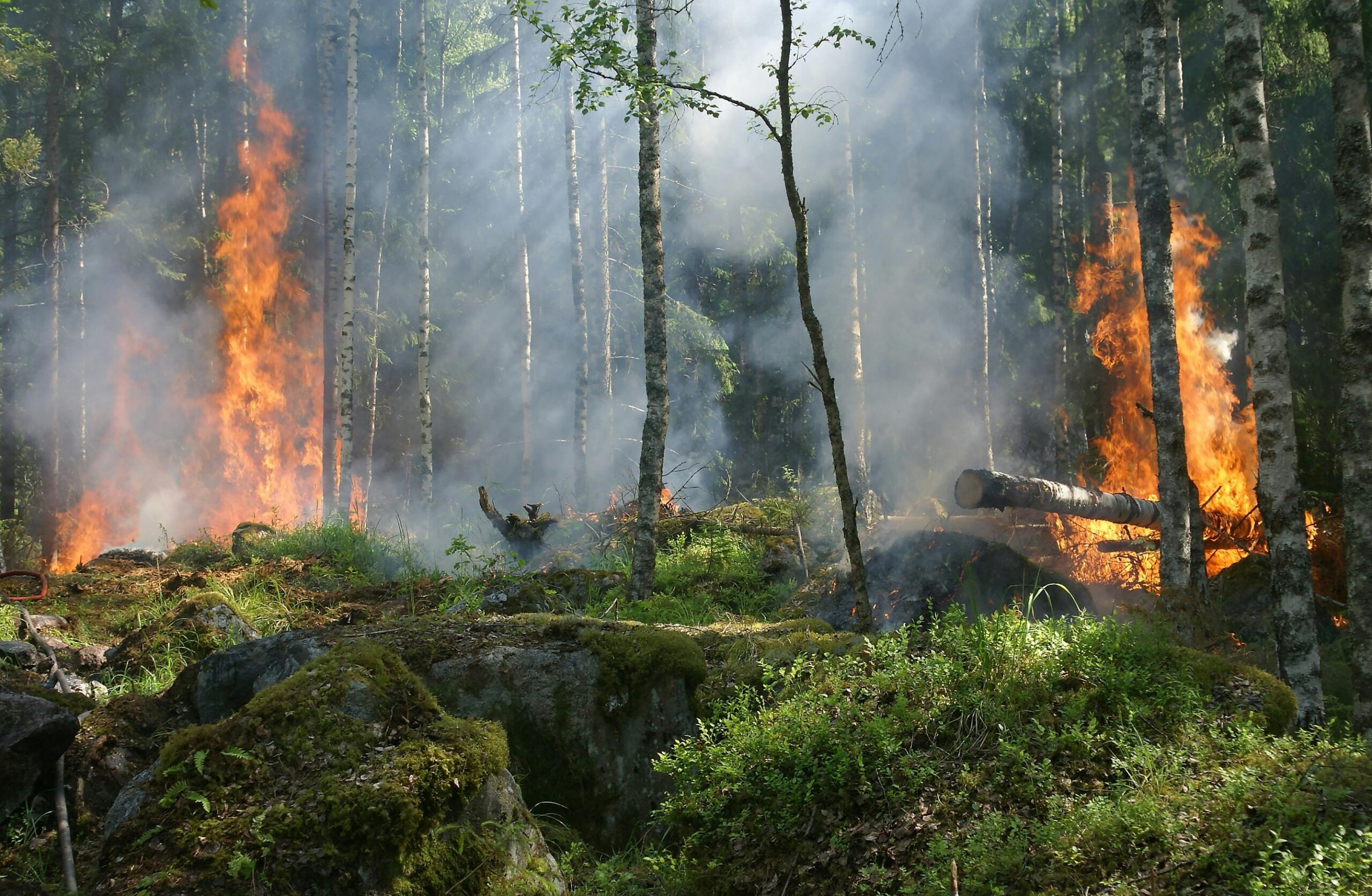
Fort Collins homeowners know wildfire smoke can roll over the Front Range fast. One day, the sky looks clear, and the nex,t the Fort Collins air quality index jumps into the “unhealthy” range, and your house smells like a campfire. When that happens, it is natural to wonder what is happening inside your HVAC system, your ductwork, and your indoor air quality. This guide explains how wildfire smoke and PM2.5 interact with your ducts, when air duct cleaning in Fort Collins, CO, really makes sense, and the practical steps you can take to keep your home’s air cleaner and your family more comfortable.
What Fort Collins Homeowners Should Know About Air Duct Cleaning and Wildfire Smoke
Air duct cleaning sounds simple: remove dust, dirt, and debris from the ductwork that moves air through your home. In practice, it is a bit more involved and very dependent on how your home is built, how you use your HVAC system, and what the outdoor environment throws at you. In Fort Collins and across the Front Range, wildfire smoke is now a regular part of late summer and fall. That smoke carries fine particles, called PM2.5, that can affect indoor air quality.
When wildfire smoke moves into the area, those particles can slip in through doors, windows, small gaps in the building shell, and through your HVAC system when it pulls outdoor air. Some particles end up in filters, some settle on surfaces, and some can collect in ductwork along with normal dust and allergens. That is why “wildfire smoke indoor air quality” has become such a common concern for local homeowners.
At the same time, not every smoky day means you need to rush into duct cleaning after wildfire smoke. According to the U.S. EPA, the biggest health risks from wildfire smoke come from breathing fine particles in the air right now, not from a bit of residual dust later. Your HVAC filters, how often you run your system, and basic maintenance habits matter just as much as what is in the ducts themselves.
How Wildfire Smoke, PM2.5, and the Fort Collins Air Quality Index Affect Your Ducts
Wildfire smoke is a mix of gases and tiny particles. The fine particles known as PM2.5 are small enough to travel deep into the lungs. The EPA explains that these particles are one of the main reasons wildfire smoke can irritate the eyes and respiratory system and can be especially hard on people with asthma or heart and lung conditions (EPA – PM Basics). When the Fort Collins air quality index climbs into the “unhealthy for sensitive groups” or “unhealthy” ranges, that usually means PM2.5 levels outdoors are elevated.
During those days, your home was not completely sealed off from the outside. Air can leak in through small cracks, open doors for pets and kids, and through bathroom or kitchen fans. If your HVAC system pulls in outdoor air or you open windows for cooling at night, smoke and ozone can enter and circulate. Some smoke particles stay suspended in the air, some land on carpets and furniture, and some get drawn back through return vents into ductwork and filters.
Your HVAC system and ductwork can capture a portion of those particles, especially if you use higher‑rated filters that are better at trapping PM2.5. However, most residential systems are not perfect “wildfire smoke vacuums.” Duct cleaning can remove settled dust and debris that may include smoke residue, especially if smoke odors linger or you see dark deposits around vents. The Colorado Department of Public Health & Environment notes that staying indoors with clean air and filtration is one of the best ways to reduce smoke exposure during events (CDPHE – Wildfire Smoke). That makes your HVAC system, filters, and ductwork part of the bigger indoor air quality picture.
Do You Really Need Duct Cleaning After Wildfire Smoke? Clear Signs to Look For
One of the most common homeowner questions is simple: “How do I know if I actually need air duct cleaning after wildfire smoke?” The honest answer is that not every Fort Collins home needs ducts cleaned after each smoky stretch. The National Air Duct Cleaners Association suggests that air duct cleaning is most appropriate when there is visible contamination, strong odors, or conditions that clearly affect airflow or indoor air quality (NADCA – Why Clean Air Ducts).
In everyday terms, Fort Collins homeowners should pay attention to a handful of practical signs. If you notice a persistent smoke smell coming from supply vents long after outdoor air has cleared and you have changed filters, that can indicate smoke residue in the ductwork or air handler. Another clue is visible buildup: if you remove a register and see heavy soot‑like deposits, clumps of dust, or other debris, that duct system likely needs professional attention. Long periods of construction dust, pests in the ducts, or water damage can also mix with wildfire smoke particles and make existing duct issues worse.
On the other hand, if your home only had a few hazy days, you ran higher‑efficiency filters, you do not smell smoke from vents, and an inspection shows only light dust, a deep duct cleaning for wildfire smoke alone may not be urgent. In those cases, focusing on regular filter changes, sealing obvious leaks, and improving ventilation habits can do a lot for indoor air quality. In short, “duct cleaning after wildfire smoke” should be a targeted decision based on what you see, smell, and experience in your Fort Collins home, not just a generic reaction to a bad air quality day.
Step-by-Step Homeowner Checklist: Protect Lungs and Indoor Air During Smoke Season
When smoke rolls into the Front Range, it can feel overwhelming. A simple checklist helps you protect indoor air and decide when to think about air duct cleaning in Fort Collins, CO. Use this guide during high‑smoke days and in the weeks that follow.
During smoky days (when the Fort Collins air quality index is elevated):
- Check a trusted AQI source for Fort Collins and limit window‑opening when PM2.5 is high (for example, tools like IQAir’s Fort Collins page or official local data).
- Set your HVAC to recirculate indoor air instead of pulling in outside air when smoke is thick, if your system allows this setting.
- Use a higher‑MERV filter that your system can safely handle, and check it more often during wildfire smoke season.
- Keep doors and windows closed as much as possible, especially during the worst smoke hours.
- Avoid running bathroom or kitchen fans for long periods if they pull unfiltered outdoor air into the home.
After wildfire smoke clears from the Fort Collins area:
- Replace your HVAC filter, even if it is ahead of schedule, especially if it visibly darkens during heavy smoke.
- Do a “smell test” at several supply vents: if “campfire” odors linger when the system runs, note where it is strongest.
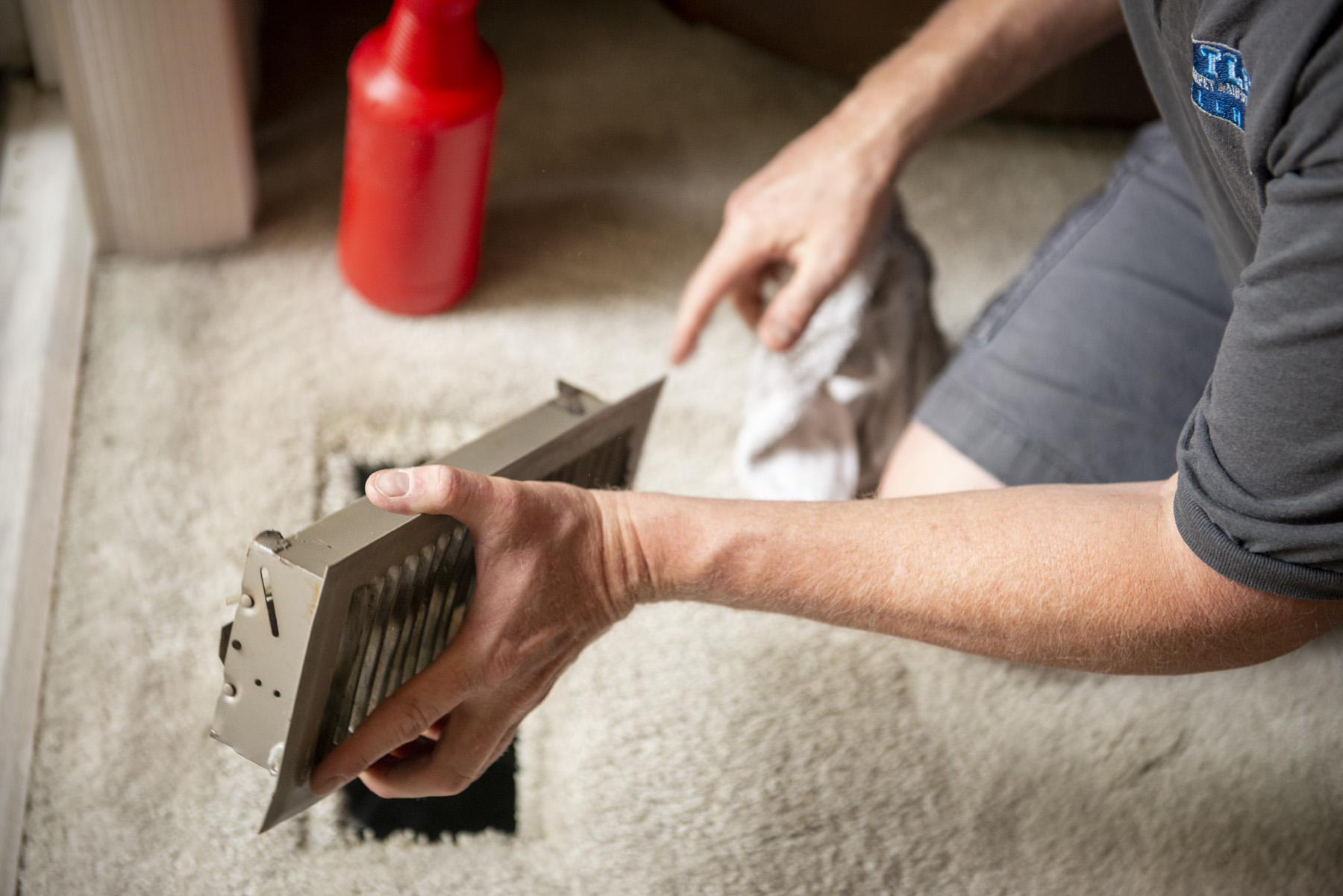
- Remove a vent cover and look inside with a flashlight for heavy dust, soot‑like deposits, or debris in your ducts.
- Wipe a white cloth around the inside of a vent opening; if it comes out dark or streaked, that suggests more than normal dust.
- If you notice reduced airflow, unusual noises, or visible buildup combined with smoke odors, consider scheduling professional air duct cleaning in Fort Collins, CO.
- Keep track of how often your family experiences irritated eyes, coughing, or allergy flare‑ups at home, and discuss persistent symptoms with a healthcare provider if needed.
This checklist is designed to help protect lungs from smoke at home and give you a structured way to decide if your Fort Collins air ducts need attention after the smoke season.
What Professional Air Duct Cleaning in Fort Collins, CO Actually Involves
Many homeowners picture duct cleaning as someone vacuuming a vent or two and calling it a day. In reality, proper duct cleaning is a system‑wide process. A professional crew uses specialized negative‑pressure equipment to pull dust, debris, and contaminants out of your ductwork while agitating the interior surfaces so buildup does not simply move from one place to another. This helps clean supply and return ducts, registers, and often the air handler cabinet, where accessible.
At TLC Carpet & Air Duct Cleaning, our certified & trained cleaning crew brings truck‑mounted equipment designed to handle the long duct runs common in Fort Collins and other Front Range homes. We start by inspecting registers, returns, and accessible ductwork for signs of heavy dust, pet hair, or smoke‑like residue. From there, we connect vacuum equipment, use tools to dislodge buildup, and methodically work through each branch so that we clean and clear each and every corner of your air ducts as much as the system allows. When appropriate, we can also clean dryer vents, which helps reduce fire risk and can be very helpful after dusty or smoky seasons.
[RECOMMENDED IMAGE: Technician Using Truck-Mounted Duct Cleaning Equipment in a Fort Collins Home]
Caption: “A certified & trained TLC technician using specialized negative-pressure equipment to remove dust, pet hair, and smoke residue from supply and return ductwork in a Fort Collins home.”
Because this work happens inside your HVAC system, it is not a casual DIY project. Access, equipment, and know‑how matter. Proper air duct cleaning can support indoor air quality and HVAC efficiency, but it should be done carefully and at the right time, not every year by default.
Costs, Timing, and How Often to Schedule Duct Cleaning in Fort Collins
Cost is a big part of the decision for most homeowners. Local cost guides suggest that air duct cleaning in Fort Collins, CO often falls into a mid‑range compared with national averages, with price influenced by home size, number of HVAC systems, how complex the ductwork is, and whether dryer vent cleaning is added. Larger homes with multiple systems naturally cost more to service than small single‑system homes. Heavy buildup from long periods without cleaning, renovations, or significant smoke exposure can add time to the job.
As for timing, there is no one‑size‑fits‑all answer. NADCA generally suggests that under normal conditions, ducts might be cleaned every few years, but that serious events such as water damage, pest infestations, or visible contamination call for sooner action. In Fort Collins, wildfire smoke adds another factor, but it does not automatically change that into an “every year” rule. Homes near busy roads, construction areas, or the foothills may see more dust and need attention more often than newer, tightly sealed homes.
Fort Collins homeowners should think in terms of triggers rather than just calendar years: recurring smoke smell from vents, visible deposits in ducts, a history of heavy smoke infiltration, or long periods without any professional inspection are all reasons to consider scheduling a visit. When you talk to a local provider, look for upfront communication about what they see in your ducts, what they recommend, and why, rather than one flat answer for every home.
Beyond Duct Cleaning: Other Ways to Improve Indoor Air Quality in Your Fort Collins Home
Air duct cleaning is one tool for improving indoor air quality, but it works best as part of a bigger approach. Government and health agencies emphasize reducing exposure to PM2.5 and ozone by lowering indoor sources, filtering air effectively, and paying attention to outdoor conditions (EPA – Wildfires and Indoor Air Quality). For Fort Collins homeowners, that means combining several sensible steps.
Upgrading filters to the highest MERV rating your system can safely handle is one of the biggest wins. Changing them more frequently during wildfire season and on dusty Front Range days helps keep smoke particles, dust, and allergens from circulating. Sealing obvious air leaks around doors, windows, and attic penetrations reduces unfiltered outdoor air sneaking into the home. In some cases, using a portable HEPA air cleaner in key living areas or bedrooms can further help protect lungs from smoke at home, especially for people with asthma or other conditions.
Regular home cleaning also matters more than most people realize. Carpets, rugs, and upholstery can trap particles that fall out of the air, and professional steam carpet cleaning, spot treatments, and upholstery cleaning can remove a lot of what ducts and filters do not catch. In other words, a clean home, a tuned‑up HVAC system, sound filter habits, and well‑timed air duct cleaning in Fort Collins, CO, all work together to support healthier indoor air.
Call in Local, Certified Help When Your Fort Collins Ducts Need Attention
When you decide your ducts need more than a quick dusting, working with an experienced, local team makes a difference. TLC Carpet & Air Duct Cleaning has served Fort Collins and Northern Colorado since 1992, helping residential and commercial customers handle everything from stubborn smoke odors to years of dust and pet dander. Our environmentally safe products, certified & trained crew, and truck‑mounted equipment are set up for the mix of wildfire smoke, dry air, and heavy heating seasons that define the Front Range.
If your home shows the signs described in this guide—persistent smoke smell from vents, visible buildup, or long gaps since your last inspection—our friendly and professional team can help you decide on the right next step. We don’t cut corners. We clean them!
Schedule professional air duct cleaning in Fort Collins or call our friendly and professional team today at (970) 352-8176.
Frequently Asked Questions
Can wildfire smoke get into my air ducts and HVAC system?
Yes. During high‑smoke days, outdoor air carrying PM2.5 and other wildfire smoke particles can enter Fort Collins homes through small leaks, open doors and windows, and some HVAC setups. Those particles can be pulled into returns, pass through filters, and, in some cases, settle inside ductwork along with normal dust and debris.
How do I know if I need air duct cleaning after wildfire smoke in Fort Collins?
Look for a few clear signs. If your vents still smell like smoke long after outdoor air has cleared, if you see dark deposits or heavy buildup inside registers, or if airflow has dropped even after changing filters, it may be time to consider duct cleaning after wildfire smoke. A simple visual and smell check at several vents is a good starting point.
Does air duct cleaning actually improve indoor air quality, or is it mostly about dust?
Done correctly, air duct cleaning can help reduce dust, allergens, and some smoke‑related residue in the system, which supports better indoor air quality. It is not a cure‑all for every PM2.5 problem, because some particles stay in the air or on surfaces. However, removing heavy buildup in ducts and around the air handler can work alongside better filters and cleaning habits to make indoor air cleaner and more comfortable.
How often should Fort Collins homeowners clean their air ducts?
Most homes do not need duct cleaning every year. Under typical conditions, many homeowners consider it every few years, or sooner if there are specific issues like visible contamination, pests, water damage, or strong smoke or musty odors. In Fort Collins, frequent wildfire smoke, heavy dust, or older duct systems can shorten that timeline. It is best to use the signs in this guide rather than rely solely on the calendar.
What else can I do to protect my lungs from smoke at home besides duct cleaning?
During smoky days, focus on limiting outdoor air intrusion, using higher‑rated HVAC filters your system can handle, and checking the Fort Collins air quality index before opening windows. Portable HEPA air cleaners in key rooms, sealing noticeable air leaks, and keeping carpets and upholstery clean all help reduce indoor particle buildup. These steps, plus thoughtful duct cleaning when needed, create a stronger defense against wildfire smoke indoors.
How much does air duct cleaning typically cost in Fort Collins, CO?
Prices vary based on the size of your home, the number of HVAC systems, duct layout, and how dirty the system is. Homes with extensive ductwork, past construction dust, or smoke‑related deposits often take longer and cost more. The best approach is to request a quote from a local provider who can explain what they see in your system and give clear, upfront pricing for the work they recommend.
Final Key Takeaways
- Wildfire smoke and PM2.5 can affect indoor air quality and may leave odors and residue in Fort Collins HVAC systems and ducts, especially after prolonged smoke episodes.
- Air duct cleaning in Fort Collins, CO, is most important when you notice persistent smoke smells, visible buildup, reduced airflow, or years without professional inspection.
- Using the Fort Collins air quality index, better filters, and a simple during‑and‑after smoke checklist helps protect indoor air and guide cleaning decisions.
- Professional duct cleaning, combined with filter upgrades, sealing, and regular home cleaning, offers a realistic, balanced way to protect lungs from smoke at home.
- Working with a long‑time local provider like TLC Carpet & Air Duct Cleaning delivers experience, certified & trained crews, and honest guidance instead of one‑size‑fits‑all advice.