Quick Summary
- Duct cleaning can damage your system, but only when the wrong tool meets the wrong duct type, or when a technician skips the one step that actually prevents it.
- Flex ductwork, found in the majority of northern Colorado homes, requires a fundamentally different approach than rigid metal duct; the two are not interchangeable.
- TLC’s negative pressure extraction method starts with a mandatory pre-inspection, meaning we assess your ducts before anything goes in, not after something goes wrong.
It’s a fair question, and honestly, a smart one.
Yes, duct cleaning can damage your HVAC system. But it doesn’t have to, and when it does, it’s almost always because of one step that most companies don’t bother mentioning, let alone performing.
If you have flex ductwork, the soft, silver-wrapped tubes that run through attics and crawl spaces in most homes built over the last 30 years, you’re right to do your homework before booking. Flex duct is the most common duct type in Greeley and northern Colorado, and it’s the most vulnerable to a careless cleaning job. The difference between a clean system and a torn liner often comes down to whether the technician looked at what they were dealing with before they started.
Here’s what that actually means in practice.
Understanding Your Home’s Ductwork, Especially Flex Duct
What Is Flex Duct and Why Is It Different?
Flex duct has three layers: an inner plastic liner (the airway itself), a helical wire coil that holds it round, and an outer layer of insulation wrap. It’s flexible, cost-effective to install, and the dominant duct type in homes built during the 1990s–2010s construction boom that shaped most neighborhoods across this region.
That flexibility is also what makes it vulnerable. Unlike rigid sheet metal duct, the inner liner can tear, kink, or collapse under pressure. The wire coil can be pushed out of shape. Connections at register boots or the plenum can pull loose if anything applies force from the inside.
When it’s intact, the flex duct moves air efficiently and quietly. When it’s compromised, it leaks conditioned air into your attic, and your energy bill lets you know about it a month later.
The Real Risk, When Aggressive Tools Meet Soft Liners
What Does a Rotary Brush Actually Do to Flex Duct?
A rotary brush is a spinning brush on a flexible rod, driven through ductwork to scrub debris off the walls. On a rigid metal duct, that’s a perfectly appropriate tool; it handles metal without issue.
On a flex duct, the same brush can catch the inner liner, snag the helical wire, or apply torque at a connection point that was never designed to take it. If the duct is already brittle, say, a 20-year-old liner that’s spent two decades baking in a northern Colorado attic, the brush doesn’t need to hit hard. It just needs to make contact once.
Most homeowners who’ve ended up with a repair bill after duct cleaning share one thing in common: the company never assessed the duct type or condition before choosing their tool.
Why “Blowback” Is the Hidden Danger of Low-Powered Vacuums
There’s a second risk that doesn’t get nearly enough attention: blowback. When a cleaning vacuum isn’t powerful enough to maintain consistent negative pressure throughout the system, the debris dislodged by agitation tools doesn’t get captured; it gets scattered.
That means dust, mold spores, and debris pushed loose inside your ducts can end up recirculating back through your vents, or worse, pulled into your blower motor. A debris-coated blower motor runs hot, works harder, and fails ahead of schedule. The vacuum power matters just as much as the agitation tool, sometimes more.
Rotary Brush vs. Air Whip vs. Negative Pressure, What’s the Difference?
| Tool Type | Best For | Risk to Flex Duct | TLC Uses? |
| Rotary Brush | Rigid metal ductwork | High, can tear liner, snag wire coil | Only after inspection confirms it’s appropriate |
| Pneumatic Air Whip | Light debris in flex or rigid duct | Low, gentle agitation, minimal torque | Yes, the primary agitation tool for the flex duct |
| Negative Pressure Extraction | All duct types, especially flex | Very low when properly calibrated | Yes, primary cleaning method |
The honest takeaway here: no single tool is universally safe or universally dangerous. Rotary brushes aren’t the villain of this story; they’re just the wrong tool for flex duct. And negative pressure extraction isn’t automatically safe; incorrect calibration or using it on a duct that’s already torn can still cause problems.
What actually determines the outcome is whether a trained technician assessed your ducts before selecting the approach. That’s the step that changes everything, and it’s the step most companies quietly skip.
Wondering which method is right for your home? Our certified team inspects your duct type before we touch anything. Call (970) 352-8176 or request a free quote online.
Why We Inspect Before We Clean
Here’s what that pre-inspection actually looks like in practice.
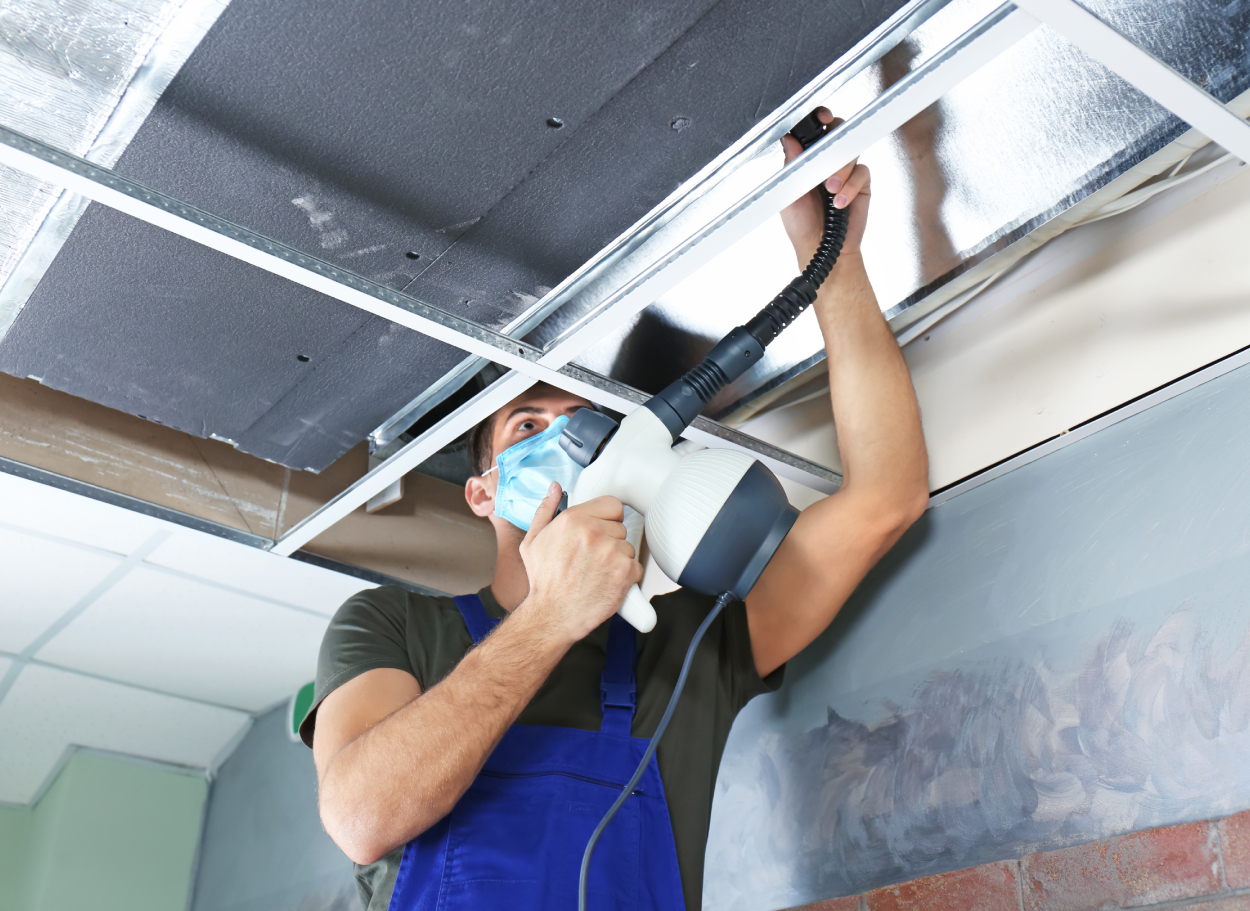
Before TLC runs any equipment, our technicians assess what they’re working with: duct material and age, any existing tears or loose connections, how the duct is supported and routed, and the condition of each register connection and the air handler interface. That walkthrough determines which tool goes in, at what vacuum pressure, and whether anything needs to be repaired before cleaning begins.
A compromised duct doesn’t need aggressive cleaning. It needs to be stabilized first; any method, even gentle extraction, risks making a hairline tear into a full rupture.
We don’t cut corners. We clean them. That’s not just a line, it’s how we’ve operated since 1992. We’ve cleaned the flex duct systems in Greeley and northern Colorado homes long enough to know what a brittle 25-year-old liner looks like, what improper installation from a 2005 builder looks like, and exactly what happens when someone skips this step. That experience is why we don’t.
For a full walkthrough of what professional air duct cleaning in Greeley, CO includes from start to finish, our service page covers the complete process.
How Negative Pressure Extraction Protects Your System
Negative pressure extraction works by sealing your duct system and generating a continuous, high-powered vacuum from an external unit. A pneumatic air whip, a gentler agitation tool with no rigid torque, loosens debris along the duct walls, and that debris is drawn directly into the collection unit without being scattered back into your living space.
The sealed environment is the key detail. Nothing recirculates. Nothing escapes into the rooms your family breathes in. And because nothing is pushed toward the air handler, your blower motor stays completely protected from contact damage throughout the cleaning.
NADCA, the National Air Duct Cleaners Association recognizes continuous negative pressure as the industry-standard cleaning protocol, and it’s what TLC’s certified and trained duct cleaning technicians follow on every job, residential and commercial, flex duct and metal duct alike.
The result: a clean system, intact liner, protected blower, and air quality that’s actually improved, not just redistributed.
Ready for Clean Ducts Without the Worry?
When the method matches the duct, the technician inspects before acting, and the vacuum power is calibrated correctly, the damage risk drops to essentially zero. That’s not a marketing claim, it’s just how the job is supposed to be done.
TLC has been doing it that way in Greeley and northern Colorado for over 30 years. Our team is friendly, upfront about cost, and experienced with exactly the kind of flex duct systems that make up the majority of homes in this region. We’ll tell you what we find before we do anything; that’s the whole point of the inspection.
Call our friendly and professional team today at (970) 352-8176 or request a free quote online. You’ll know exactly what you’re getting before we ever start.
And while you’re thinking about system efficiency, dryer vent cleaning follows the same inspection-first approach. Clogged dryer vents are one of the most overlooked hazards in any home, and a quick clean keeps your system running at maximum efficiency.
Frequently Asked Questions
Can air duct cleaning damage flexible ductwork?
Yes, but only when the wrong method is used or the inspection step is skipped. Rotary brushes and underpowered vacuum systems can tear the inner liner, loosen connections, or scatter debris back into your home. Negative pressure extraction with a trained technician and a proper pre-inspection carries very low risk to flex ductwork when performed correctly.
What is negative pressure duct cleaning, and is it safe?
Negative pressure duct cleaning seals your duct system and uses a high-powered vacuum to create continuous suction while a pneumatic air whip gently loosens debris. Everything gets captured; nothing recirculates. It’s the method recognized by NADCA as the industry standard and is safe for flex duct when calibrated properly and preceded by an inspection of duct condition.
How do I know if my ducts were damaged after cleaning?
Watch for a spike in energy bills (a sign conditioned air is escaping through a torn liner), uneven airflow in specific rooms, visible debris coming from vents after the cleaning is complete, or a new musty smell that wasn’t present before. If you suspect damage, a camera inspection at the duct connections and near the air handler is the right first step.